
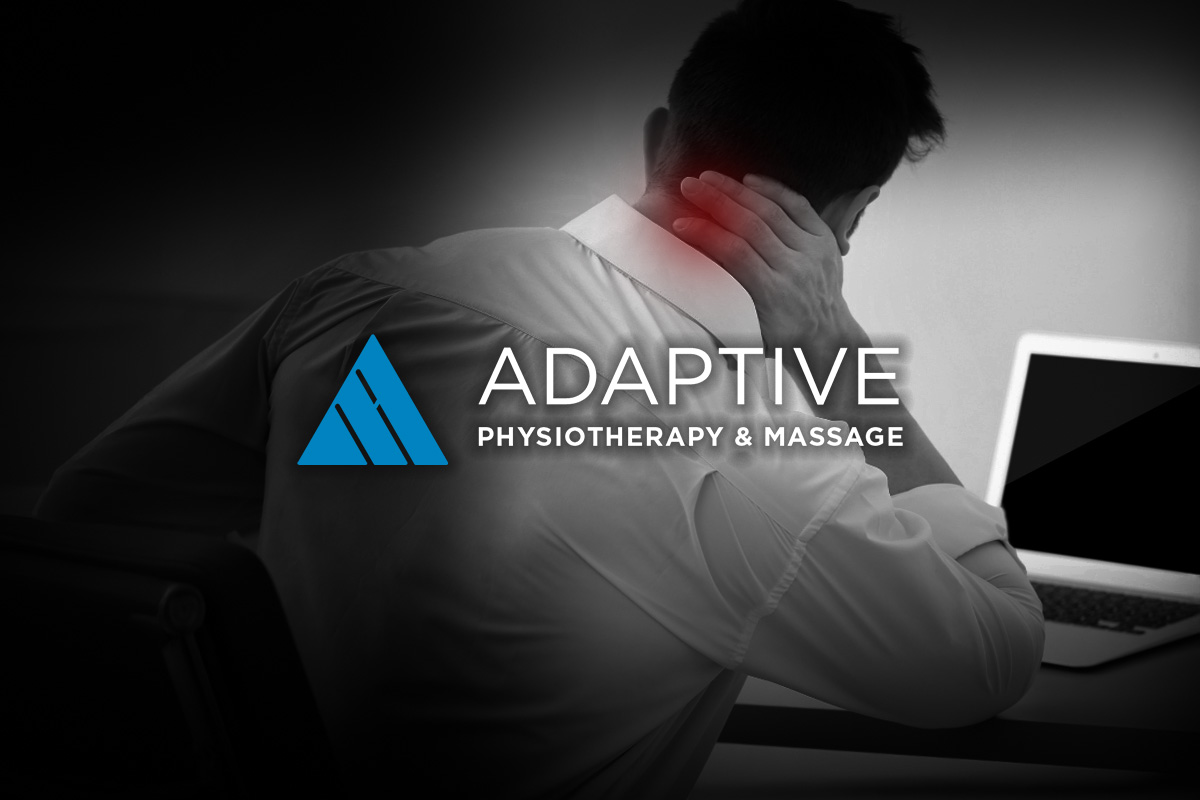
Does your neck feel fine when you start work—then stiff, tight and impossible to ignore by the afternoon?
Maybe you catch yourself rubbing the top of your shoulders between meetings. Turning your head to check your blind spot feels uncomfortable. And some days, that tension seems to creep upwards into a headache.
You've tried stretching it out, changing your pillow, or sitting up straighter—but the discomfort keeps coming back.
If any of that sounds familiar, you're not alone. Persistent neck pain can affect your sleep, concentration, work and everyday activities. At Adaptive Physiotherapy & Massage in Booragoon, we start by understanding what you're experiencing and what you want to get back to doing. Our neck physiotherapy can help you explore a practical way forward.
What Is Neuromuscular Neck Pain?
“Neuromuscular neck pain” is a broad way of describing neck discomfort involving the muscles, movement and nervous system. You may experience pain, stiffness, sensitivity or reduced confidence moving your neck. It isn't a single diagnosis, and symptoms that feel muscular can have several contributing factors.
For some people, the difficulty is linked to long periods in one position, a recent increase in workload or exercise, stress, reduced activity, a previous injury or other health factors. Poor posture or a particular muscle imbalance isn't automatically the cause. A physiotherapy assessment helps distinguish common neck pain from conditions that need a different approach.
Common contributors to neck pain
Prolonged positions
Desk work, phone use and driving may aggravate symptoms, particularly when you have few opportunities to change position.
Activity and load
Repetitive movements, unfamiliar activity or sudden changes in training or work demands may contribute.
Stress and recovery
Stress, fatigue and poor sleep can influence muscle tension and how sensitive your neck feels.
Previous injury or other conditions
Past neck injuries, including whiplash, may be relevant to your assessment.
Symptoms you might notice
- Aching or tightness around your neck, shoulders and upper back.
- Difficulty rotating your head or looking up and down comfortably.
- Muscle guarding or episodes of spasm.
- Discomfort after prolonged sitting, standing or working at a screen.
- Headaches or pain that seems to spread towards your shoulders.
Tingling, numbness or weakness into an arm or hand requires more careful assessment. These symptoms shouldn't automatically be labelled “muscle tension”—they can have other causes.
Seek urgent assessment if neck pain follows significant trauma, or you develop new or worsening arm or leg weakness, difficulty walking, marked loss of coordination, fever with severe neck stiffness, or a sudden severe unusual headache. If you're unsure or symptoms are progressing, contact a medical professional promptly.
Understanding What's Contributing to Your Neck Pain
At Adaptive, we don't begin with an exercise sheet or assume your posture needs fixing. We begin with a conversation: where does it hurt, when does it bother you most, and what would you like to do more comfortably?
Your physiotherapist may assess neck movement, strength, sensitivity, daily activities and, where needed, neurological signs. Together, those findings guide an individualised treatment plan rather than a one-size-fits-all explanation.
Evidence-Based Treatment for Neuromuscular Neck Pain
Neck rehabilitation often combines practical symptom management, education and progressively increased activity. Hands-on treatment may be useful, but it is not a requirement for everyone.
1. Initial Pain Management and Activity Modification
When your neck is particularly sensitive, small adjustments can help you stay active rather than feeling you must stop everything.
- Change positions regularly. Take natural movement breaks from computer or phone use instead of trying to hold one “perfect” posture all day.
- Consider your workstation. Screen height, chair position and reaching distance may be adjusted for comfort.
- Find a comfortable sleeping setup. A supportive pillow and a position that suits you may help.
- Use simple symptom-relief options. Heat or cold may provide temporary comfort, depending on your preference. Taping may occasionally be considered as a short-term aid.
2. Manual Therapy: Supporting Comfort and Movement
When appropriate, your physiotherapist may include gentle cervical or thoracic mobilisation, soft tissue treatment or other hands-on techniques to help manage symptoms and make movement more comfortable.
Remedial massage can be a worthwhile option for associated muscle tightness and discomfort, while dry needling may be discussed in selected circumstances. Neither is a compulsory part of physiotherapy, and neither replaces progressive rehabilitation when that's needed.
For symptoms involving the arm, nerve-related exercises or mobilisation should only be selected after an appropriate assessment.
You don't necessarily need to “correct” the shape of your posture. Being comfortable changing positions, moving regularly and building capacity for the things you do can be more useful than trying to sit perfectly all day.
3. Exercise Rehabilitation: Mobility, Strength and Control
A structured exercise program can help improve how your neck tolerates everyday tasks. Your starting point will depend on your symptoms and abilities—not an arbitrary timetable.
Phase 1: Comfortable Movement and Activation
The aim is to find manageable movement and begin rebuilding confidence.
- Gentle neck rotations and side bends.
- Comfortable chin-tuck or deep neck flexor exercises, where appropriate.
- Thoracic extension and upper-back mobility drills.
Phase 2: Strength and Endurance
As tolerance improves, we may build the capacity of the neck, shoulders and upper back.
- Progressive deep neck flexor or neck extensor training.
- Scapular strengthening, such as band rows or wall slides.
- Exercise breaks and workstation strategies that fit your routine.
Phase 3: Functional Movement and Load Tolerance
The focus shifts to the activities that matter to you.
- Controlled neck rotation and resistance work.
- Gradually increasing lifting, carrying or overhead activity.
- Whole-body strength exercises when appropriate for work, training or sport.
Our physiotherapists guide the plan and reassess how you're responding. Where it suits your goals, more structured strengthening can support the transition back to training through Adaptive's physiotherapy and sports rehabilitation pathway.
Helping Neck Pain Stay Manageable Over Time
Once symptoms begin to settle, it's worth building a routine that supports you long term. That doesn't have to mean complicated daily stretching or constant monitoring of your posture.
- Move regularly: change positions during the day and choose activities you can sustain.
- Build strength: progress neck, shoulder and whole-body exercise to suit your needs.
- Manage load: increase demanding activities gradually, especially after a flare-up.
- Support recovery: consider sleep, stress and general activity levels as part of the bigger picture.
These strategies can help with symptoms and function, but no single approach guarantees neck pain will never return. Our goal is to help you understand your options and become more confident managing changes along the way.
Related Reading and Services
- Neck Physiotherapy in Booragoon — assessment and individualised neck rehabilitation.
- Whiplash: Causes, Treatment and Rehabilitation — neck symptoms following an accident or sudden impact.
- Thoracic Outlet Syndrome — understanding some causes of arm tingling and related symptoms.
- Remedial Massage in Booragoon — a separate treatment option for muscular discomfort and recovery.
Take Control of Your Neck Pain
Whether neck pain makes it difficult to concentrate at work, sleep comfortably, turn your head while driving or enjoy your training, you don't have to guess your way through it.
At Adaptive Physiotherapy & Massage, we'll listen, assess and work with you to develop a plan suited to where you are now and what you want to get back to doing.
Ready to move your neck with more confidence?
Book a physiotherapy assessment and talk through your symptoms, goals and the next steps that make sense for you.
27 Shields Crescent, Booragoon WA 6154 · Free onsite parking