
Foot & Ankle Physiotherapy in Booragoon
A rolled ankle that still feels unreliable. Heel pain with your first steps in the morning. An Achilles tendon that flares whenever you start running again. Foot and ankle problems can affect work, walks, sport and everyday life.
At Adaptive Physiotherapy & Massage in Booragoon, we assess your symptoms, how you move and what you want to get back to. From there, your care can include practical advice, suitable treatment and progressive rehabilitation to build confidence and capacity.
- Individualised assessment
- Progressive rehabilitation
- Free onsite parking
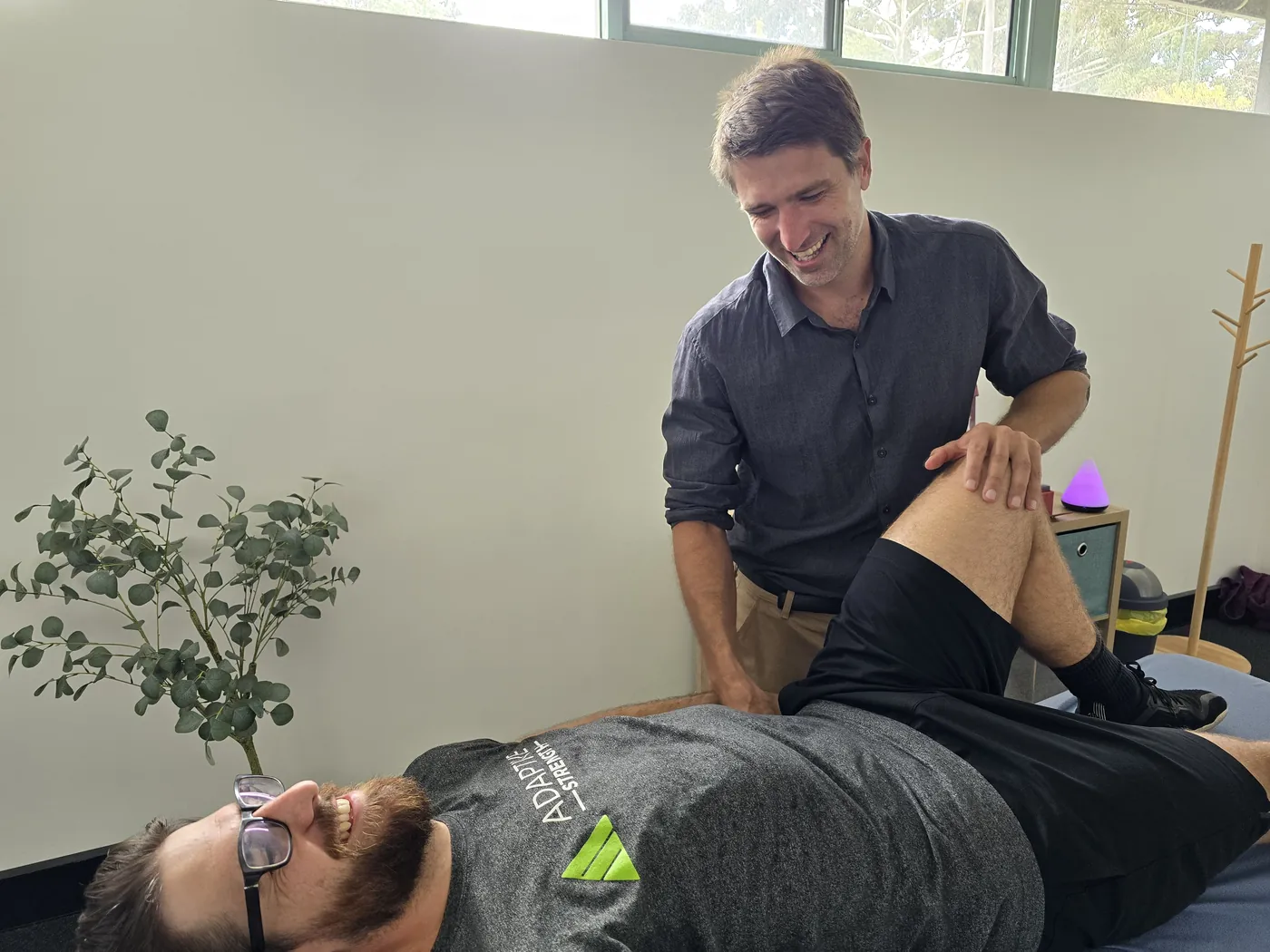
It’s not just your foot or ankle. It’s what you can’t do comfortably.
Whether the problem started with an injury or has built up over time, we begin with the activities you are finding difficult—and what you would like to return to.
Walking & standing
Everyday steps, shopping or a day on your feet are uncomfortable or leave you sore afterwards.
First steps in the morning
Heel or Achilles discomfort is particularly noticeable when you get out of bed or after sitting.
Running & sport
Running, jumping or changing direction brings on pain, or a previous ankle sprain makes you hesitate.
Pain that keeps returning
Symptoms settle with rest, then come back as soon as walking, work or training demands increase.
Foot & Ankle Injuries and Conditions We Treat
From ankle sprains and heel pain to tendon problems and foot injuries, no two people have the same needs. Explore common concerns below. We assess your presentation and help you understand the options relevant to you.

Not sure what’s causing your pain?
You do not need to know whether it is a sprain, a tendon problem or something else before you book. Tell us where it hurts, when it started and what is difficult. We will assess what matters and explain sensible next steps.
A rolled or twisted ankle can affect walking, balance and confidence, sometimes well after the swelling has settled. We assess movement, strength, balance and the activities you want to return to, then guide rehabilitation or onward assessment as needed.
Read more: Ankle Sprains: A Guide to Recovery and Injury Prevention.
Pain under the heel, especially with your first steps after rest, can interfere with standing, walking and running. We assess your symptoms and activity demands, and discuss suitable changes to loading, footwear advice or exercise where appropriate.
Read more: Plantar Fasciitis: Treatment and Rehabilitation.
For active children with heel pain, our existing guide on Sever’s disease may also be useful.
Achilles pain or morning stiffness can make hills, calf raises, walking or running frustrating. The right approach depends on the location of the pain, current capacity and how the tendon responds to activity. We can guide load management and progressive calf strengthening where indicated.
Read more: Achilles Tendon Pain and Rehabilitation · Retrocalcaneal Bursitis.
Burning or tingling in the ball of the foot, discomfort in shoes or pain when walking can have several explanations. Assessment helps identify whether nerve irritation, load, footwear or another issue needs attention.
Read more: Morton’s Neuroma: Treatment Approaches.
Increasing your running or training volume can sometimes lead to shin or lower-leg pain. We consider load history, symptoms and the need to distinguish common overload problems from bone stress injuries that require medical assessment.
Read more: Shin Splints: Treatment and Rehabilitation.
Related care: Sports Physiotherapy.
After a suspected fracture, significant injury or foot and ankle surgery, the priorities and safe loading limits depend on the diagnosis and medical instructions. We can help guide appropriate rehabilitation and a gradual return to movement and activity within those requirements.
If a fracture is suspected—for example, after significant trauma or if you cannot bear weight—seek prompt medical assessment rather than assuming it is a sprain.
Related care: Sports Injury Rehabilitation.
Important: New severe pain after an injury, significant swelling, inability to bear weight, or rapidly worsening symptoms may need prompt medical assessment. A suspected fracture or Achilles rupture should not be treated as a routine strain.
Address the pain. Build the confidence to do more.
Maybe a recent sprain has knocked your confidence, or foot pain has been disrupting walking and exercise for months. Either way, it helps to understand what is going on and what to do next.
Your physiotherapist will assess the problem, discuss suitable treatment and activity advice, and help you progress movement, balance, strength and tolerance when appropriate. The goal is to support the things you want to do—not simply hand you a generic exercise sheet.
Understand the injury and your goals
We discuss your symptoms, injury history, footwear or activity demands, and assess relevant movement, function and strength.
Choose the right treatment and guidance
Hands-on care, education, activity changes, exercises or medical referral may be appropriate depending on your presentation.
Rebuild walking, balance and capacity
When suitable, we progressively develop foot and calf strength, ankle control, walking tolerance and confidence for work or sport.
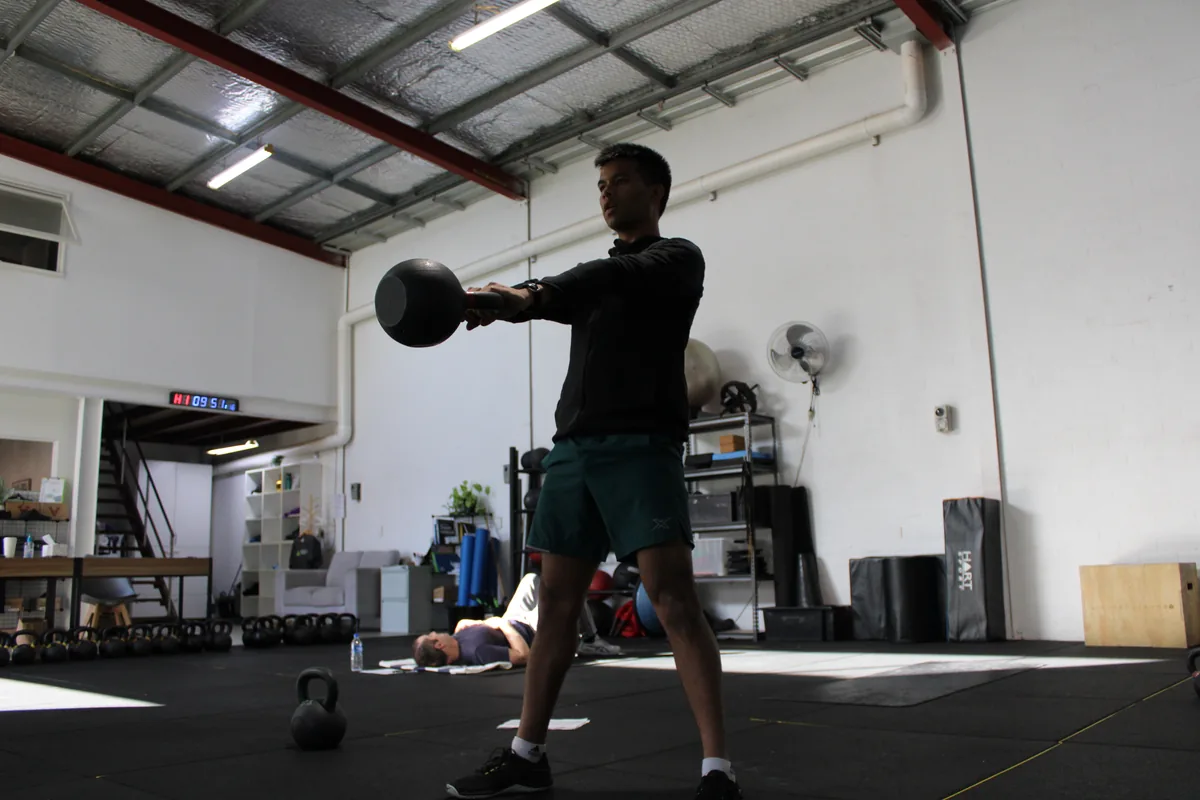
Movement • Strength • Recovery
Individualised to your starting point and goals.
Build Strength Beyond Your Physio Appointments
Some foot and ankle problems need more than a short period of symptom management. Rehabilitation may involve balance, calf strength, control, walking capacity or a gradual return to running and sport.
At Adaptive, your physiotherapist can guide that progression. When useful, Physio-Guided Exercise & Strength Training offers supervised exercise to help you continue working towards your goals.
Supervised training is optional. Many people can progress with advice and an independent programme.
PHYSIO-GUIDED EXERCISE & STRENGTH
Your plan. Supported when it helps.
Practical coaching and progressive exercise, with physiotherapy input when appropriate.
Individual exercise programme
Rehabilitation tailored to your foot or ankle, starting capacity and goals.
Supervised exercise when useful
Coaches help you perform your programme and adjust loads within the agreed plan.
Progress that is reviewed
Your physiotherapist can reassess progress and change the plan as needed.
More support when your goals call for it.
Foot and ankle problems can affect sport, work and activity. These services may be relevant depending on your assessment and goals. If your injury is work-related, see our Workers Compensation Physiotherapy information.
Sports Physiotherapy
For ankle sprains, running-related pain and a planned return to training or competition.
Physio-Guided Exercise
An optional supervised exercise pathway when rebuilding strength and physical capacity would help.
Remedial Massage
A separate hands-on service for muscle tension, comfort and recovery.
Foot & Ankle Physiotherapy FAQs
For a standard private physiotherapy appointment, you can generally book without a GP referral. Some funded pathways—such as DVA, workers compensation or certain Medicare arrangements—have separate requirements.
Physiotherapy can assess swelling, ankle movement, balance, strength and stability and help plan an appropriate return to activity. Some injuries need imaging or medical review, particularly where a fracture or significant ligament injury is suspected.
First-step heel pain can occur with plantar heel pain, but there are other possible causes. We can assess the symptoms and discuss loading, exercise and footwear considerations relevant to you.
Not always. Depending on your symptoms and diagnosis, you may be able to adjust training while you recover. We can help plan suitable exercise and a progressive return to impact and sport.
Yes, assessment and suitable load management or progressive strengthening can be part of physiotherapy for Achilles tendinopathy. Sudden severe pain, a snap or a loss of push-off strength needs urgent assessment for a possible tendon rupture.
We listen to your history, symptoms and goals, assess relevant movement and function, then discuss the findings, options and next steps. Treatment or exercise advice may also be provided when appropriate.
We review your injury history, what you have tried, current function, balance and load tolerance. A rehabilitation plan may involve exercise, strength and activity changes rather than repeating the same short-term approach.
Not necessarily. Many patients progress with advice and an individual programme. Physio-Guided Exercise is an additional option if coaching and supervision would help you meet your goals.
If you cannot bear weight after an injury, have significant swelling or deformity, or suspect a fracture, seek prompt medical assessment. If you experience severe symptoms or an emergency, call 000 in Australia.
Many Australian extras policies include physiotherapy. Adaptive offers HICAPS for eligible claims, but rebates and any gap payment depend on your individual cover.
Get Back to Walking, Training & Doing More
Whether the pain started yesterday or has kept coming back, a physiotherapy assessment can help you understand the options. Visit Adaptive in Booragoon for a plan that fits your starting point and goals.
Adaptive Physiotherapy & Massage · 27 Shields Crescent, Booragoon WA 6154 · Free onsite parking