
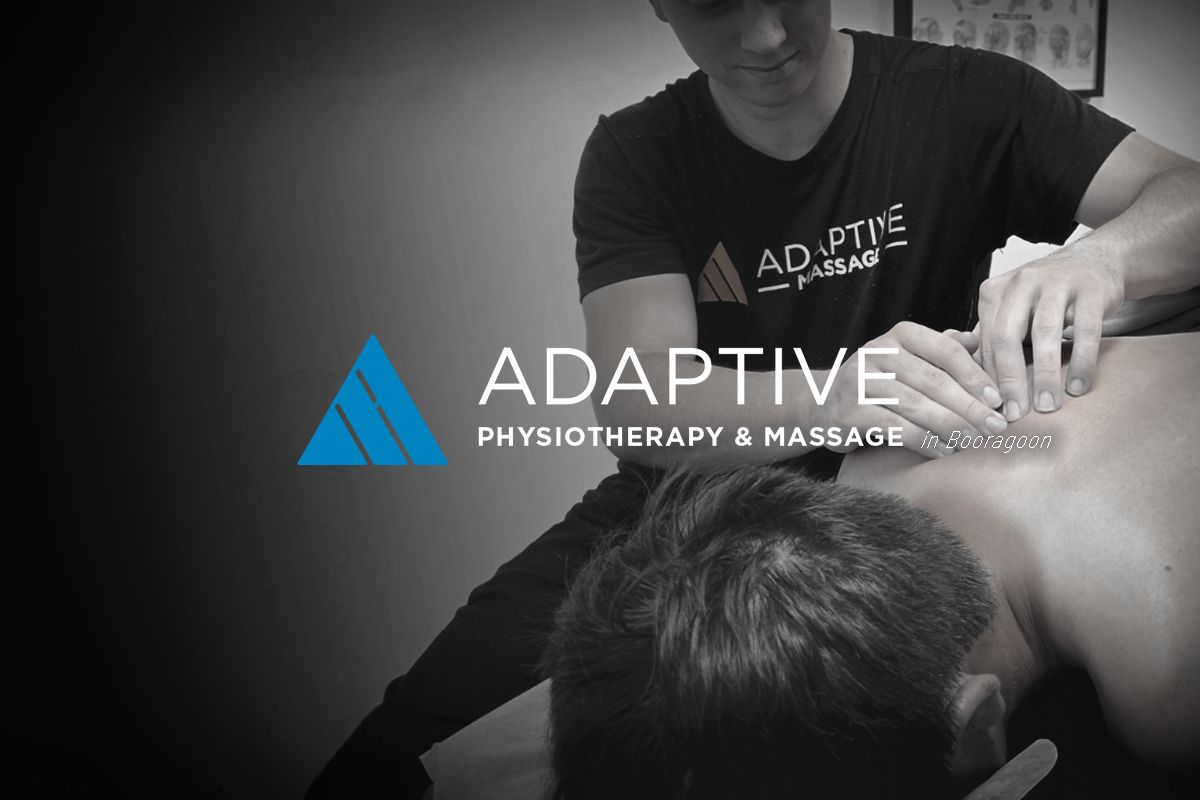
When training demands grow, recovery deserves attention too. A practical guide for parents of active kids and teenagers.
They’re Not Just “Kids Playing Sport” Anymore
It’s not unusual now to see a 12-year-old training 4, 5… sometimes 6 days a week.
Tennis, swimming, netball, athletics, gymnastics — whatever the sport is, the level of commitment has changed.
These kids aren’t just playing anymore.
They’re training.
Structured sessions. Coaching. Repetition. Volume. Competition.
We regularly see young athletes doing close to 10–12 hours of training per week.
That’s not light.
And while their skill level might match that workload… their bodies don’t always.
That’s where recovery starts to matter.
Not just for adults.
For kids too.
The Hidden Load on Young Athletes
Here’s the part that often gets missed:
These athletes are not just training — they’re also growing. If you’re unsure whether recurrent aches are part of a growth spurt, our article on growing pains versus problems worth assessing explores what parents can watch for.
Bones are lengthening. Muscles are trying to keep up. Coordination is constantly adapting.
Now layer on top of that:
- Repetitive movement patterns
- High training frequency
- Competitive pressure
You end up with a simple problem:
This is where issues start to build.
Not always as pain straight away.
Sometimes it starts as tightness.
Restriction.
Fatigue.
Movement that just doesn’t look as smooth as it should.
Or those little niggles that keep getting brushed off.
A young athlete can often keep performing for a while even when their body is under strain.
That’s part of the problem.
Because things can be building in the background long before anyone takes them seriously.
What’s Really Happening in Their Body
A lot of youth athletes look fine on the surface.
They’re still training.
Still competing.
Still getting through sessions.
But underneath that, the body can be telling a different story.
Muscles start tightening from repetitive use.
Certain areas get overloaded again and again.
Range of motion starts to reduce.
The athlete starts compensating without realising it.
Maybe the hips get tighter.
Maybe the calves are constantly loaded.
Maybe the shoulders stiffen up from serving, throwing, or overhead work.
Maybe the spine doesn’t rotate as well as it should.
The tricky part is this:
A young athlete may continue performing well even when soreness or fatigue deserves attention.
That’s why some young athletes look good technically, compete well, and still have bodies that are clearly under too much stress.
Performance alone does not tell us everything about recovery or how an athlete is feeling.
But not forever.
Common Issues We See in Youth Athletes
This is not rare.
It’s becoming more common.
Some of the things we regularly see in young athletes include:
- Tight hamstrings
- Tight hip flexors
- Stiff calves and ankles
- Restricted shoulders
- Sore lower backs
- Knee pain
- Heel pain
- Elbow soreness
- General fatigue and “always tight” bodies
A lot of these kids are very good at their sport.
But being good at sport does not automatically mean the body is moving well.
In fact, some of the best young athletes are the ones who can get away with poor movement or excessive tightness for longer because they are talented enough to compensate.
Until the load increases again.
Then the body starts pushing back.
Sometimes as soreness.
Sometimes as loss of flexibility.
Sometimes as reduced performance.
Sometimes as a full injury.
The Mistake Most Parents and Athletes Make
The most common mistake is simple:
People wait until there is pain.
They assume that if the child is still playing, still smiling, and still competing, everything must be fine.
Pain is not always the first sign that training needs to be reviewed.
The earlier signs are usually:
- Constant tightness
- Reduced flexibility
- Recurrent soreness
- Heavy legs
- Stiffness after training
- Niggles that come and go
- Movement patterns that are becoming less efficient
Another common mistake is focusing almost entirely on more training.
More coaching.
More reps.
More matches.
More skill work.
But not enough attention goes into recovery.
That creates a problem.
Because performance is being prioritised… while the body that creates that performance is being neglected.
And in youth athletes, that can catch up quickly.
Where Massage Fits In
Massage is sometimes misunderstood.
People think of it as a luxury.
Or something that is just relaxing.
Or something adult athletes do because they can afford it.
That misses the point.
For youth athletes, age-appropriate kids and teens massage can be one practical option for managing soreness and recovery preferences.
Not because it magically fixes everything.
But because it helps support a body that is being asked to do a lot.
Massage can help:
- Reduce excessive muscle tension
- Help an athlete feel more comfortable moving
- Temporarily improve perceived stiffness or ease of movement
- Support recovery between sessions
- Create an opportunity to discuss recurring soreness or concerns
The goal is not simply to make them “feel nice.”
The goal is to help them move better, recover better, and stay healthier while training hard.
The Benefits of Regular Massage for Youth Athletes
Support comfort when training and competition create muscular aches.
Discuss stiffness and movement concerns in the context of the athlete’s sport.
Make space to talk about sleep, training load and how the body is feeling.
Encourage young athletes to recognise and communicate unusual or persistent symptoms.
1. Supporting a Sensible Injury-Management Plan
Training load, fatigue, growth and sport-specific demands can all influence how a young athlete feels and moves.
Massage may help with muscle soreness or the sensation of tightness, but it has not been shown to prevent sports injuries on its own.
It is not a guarantee against injury.
Nothing is.
It may have a place within a broader approach that includes appropriate training loads, strength, rest and clinical advice when needed.
Especially when combined with good strength work, sensible training loads, and proper recovery habits. For persistent pain or repeated injuries, youth athlete physiotherapy is a more appropriate starting point.
2. Better Movement and Flexibility
A lot of young athletes are surprisingly tight.
That might seem odd because people often assume kids are naturally flexible.
Some are.
Many are not.
Not when they are training hard in repetitive patterns week after week.
They may be good at their sport.
But still struggle with:
- Hip mobility
- Hamstring length
- Shoulder range
- Thoracic rotation
- General movement freedom
Massage can help reduce the tightness that builds from repetitive training and restore better movement.
Feeling more comfortable with movement can be useful, although massage alone does not reliably improve sports performance.
3. Improved Performance
This is the part many parents and athletes care about most.
Will it help them perform better?
The evidence is less clear than many people assume.
Not because massage is some secret performance hack.
But because bodies perform better when they are not constantly stiff, restricted, and overloaded.
Some athletes report feeling less sore or more comfortable after treatment. Whether this translates into meaningful performance improvements varies between individuals.
That might show up as:
- Better running mechanics
- Cleaner change of direction
- Better rotation
- More comfortable overhead movement
- Less heaviness during training
- Better ability to back up session after session
Performance is not just about skill.
It is also about having a body that can express that skill properly.
4. Managing Post-Training Soreness
This is one of the biggest reasons massage can be valuable.
Youth athletes often train multiple times per week.
Sometimes multiple days in a row.
Sometimes with school, poor sleep, growth spurts, and not enough downtime layered on top.
That means recovery matters.
A lot.
Massage may provide short-term relief from muscle soreness and help some athletes feel more comfortable between sessions.
It should complement—not replace—sleep, nutrition, appropriate rest and sensible training progression.
Good recovery habits can support consistent training.
And consistency is one of the biggest drivers of long-term progress.
5. Better Body Awareness
This benefit gets overlooked.
But it matters.
A lot of young athletes are disconnected from what their body is actually telling them.
Everything just gets labelled as “normal soreness.”
Or they ignore it because they do not want to miss training.
A massage appointment can also be an opportunity to discuss how the athlete is feeling and recovering.
They start to notice:
- what normal tightness feels like
- what unusual tightness feels like
- when something is building up
- when they are not recovering well
- when a part of the body is working harder than it should
That awareness is valuable.
Because the earlier an athlete notices something, the earlier it can be addressed.
And that usually means less interruption to training later.
How Often Should a Youth Athlete Get Massage?
There is no one perfect rule.
It depends on the athlete.
Their sport.
Their age.
Their training volume.
Their recovery.
Their injury history.
There is no evidence-based routine massage interval that every young athlete needs. Some families choose occasional appointments during demanding periods; others may not need massage at all.
During tournaments or heavy training blocks, treatment frequency—if any—should depend on the young person’s needs, preferences and clinician’s advice.
The key is not to leave it until they are already in trouble.
It is much easier to stay on top of a body than to keep fixing the same recurring issue after it has flared up.
The Adaptive Physiotherapy & Massage Difference
Not all massage is the same.
And not every therapist understands sport.
At Adaptive Physiotherapy & Massage, we do not just chase sore spots.
We look at the bigger picture.
We look at:
- the sport they play
- the demands of that sport
- how much they are training
- what movements they repeat most
- where the body is tightening up
- what may be contributing to overload
Because tight muscles are usually not the whole story.
They are often the result of the way the athlete is training, moving, and recovering.
That matters.
Because when you understand the sport and the athlete properly, the treatment becomes far more useful.
And where needed, we can also look at the bigger system around them.
Not just massage.
But also physiotherapy for young athletes, movement advice, and strength work through Adaptive Strength.
That kind of joined-up approach makes far more sense than simply waiting for pain and hoping it settles.
We do not just treat tight muscles — we look at why they are getting tight in the first place
A Real Example of What This Can Look Like
Take a 13-year-old tennis player. If the issue is recurring shoulder or knee pain rather than general post-training soreness, a tennis physiotherapy assessment may be more suitable.
Training four to five days a week.
Private lessons, squad sessions, matchplay, tournaments.
On paper, they are doing well.
But their shoulders are tight.
Their hips are restricted.
They are sore after sessions more often than they should be.
They are still playing, but the body is gradually becoming harder to manage.
With an individualised approach that may include massage, appropriate strengthening, training-load changes and adequate rest, the athlete may feel more comfortable and better supported.
That does not just help them feel better.
The broader goal is to help them manage training sustainably.
That is a worthwhile goal.
Because the athlete who can keep training well, without constantly getting derailed by soreness and tightness, is usually the athlete who keeps progressing.
The Bigger Picture
This is really what it comes down to:
Youth athletes are training harder than ever.
That is not necessarily a bad thing.
But it does mean recovery can no longer be treated as an afterthought.
If a young athlete is putting serious hours into training, their body needs support.
Not only when it hurts.
Before that.
While they are still performing.
While they are still growing.
While things are still manageable.
Because the goal is not just to get them through the next session.
Or the next tournament.
Or the next season.
The goal is to help them stay healthy enough to keep enjoying their sport and developing long term.
That is a much better outcome than simply waiting for pain to force a break.
Final Thought
A lot of people understand why adult athletes get regular massage.
Far fewer think about it for kids.
But when a 12-year-old is training like a semi-professional, recovery matters.
Probably more than most people realise.
These are growing bodies.
Bodies under load.
Bodies that are often tight, overworked, and expected to keep backing up again and again.
When appropriate, massage may be one component of supporting youth athletes to:
- move better
- recover better
- manage soreness and recovery needs
- keep enjoying their sport
Because for young athletes, the goal should not just be to perform well now.
It should be to keep them healthy enough to keep playing for years to come.
If your child is training regularly, always tight, or starting to get little niggles that keep returning, it is worth addressing early.
A well-timed massage is not just about short-term relief.
It can be part of keeping a young athlete healthy, moving well, and able to keep doing the sport they love.
Book with Adaptive Physiotherapy & Massage to help your child recover better, move better, and stay ahead of the problems that often build quietly in young athletes.
Support their recovery. Keep the focus on enjoying sport.
For young athletes dealing with muscle soreness or tightness, our team can help you decide whether an age-appropriate massage is suitable—or whether physiotherapy is the better next step.
27 Shields Crescent, Booragoon · (08) 9468 3555